Spring Gardening
-

When to Plant Crocus Bulbs in the UK, and How Deep
🌱 Quick Answer Plant Crocus bulbs (technically corms) in September and October, though anything in the ground before Christmas will usually still flower. Set them 8 to 10cm deep, pointed tip up, 5 to 8cm apart in full sun or under deciduous trees. They flower from February to April and come back every year. That’s […]
Read more -

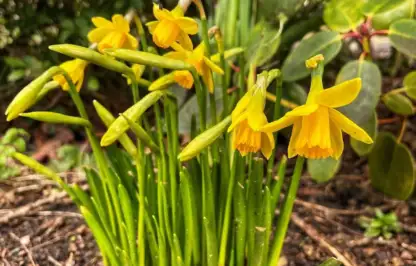
When to Plant Daffodil Bulbs in the UK: Timing, Depth and Late Planting
Quick Answer The best time to plant Daffodil bulbs in the UK is September and October, while the soil still holds enough warmth for the roots to establish before winter. November is fine, and you can plant as late as December as long as the ground isn’t frozen. Plant them 15cm deep, pointed end up, […]
Read more -
Pyracantha Care Guide: How to Grow, Prune & Train Firethorn
Quick Answer Pyracantha (firethorn) is a tough, thorny evergreen shrub that grows in sun or shade on almost any soil, flowers white in early summer and carries red, orange or yellow berries through autumn and winter. Prune it lightly after flowering, then shorten new growth in late summer to show off the berries, always checking […]
Read more -
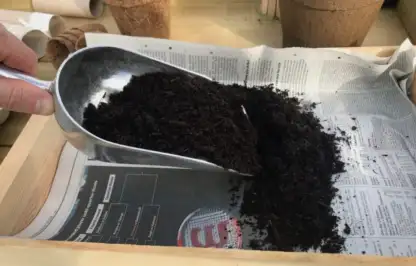
Compost vs Mulch: The Difference, Costs and When to Use Each
Quick Answer Compost is decomposed organic matter you can mix into the soil to improve structure and feed plants but also be used as a mulch. Mulch is any material you spread on top of the soil to suppress weeds, retain moisture and protect the surface. They do different jobs and work brilliantly used together. […]
Read more -
How to Mulch Your Garden: When, How Deep and Best Mulch UK
Quick Answer Mulching means spreading a 5 to 7cm layer of organic material, such as compost, bark or leaf mould, over weed free, damp soil in April to May or September to October. Keep it clear of stems and trunks. Done properly, it cuts weeding by up to 80 percent, halves summer watering, and steadily […]
Read more -
How to prune Ornamental grasses the easy way
Quick Answer Cut back deciduous ornamental grasses such as Miscanthus, Calamagrostis, Panicum and Pennisetum in late February or March, to about 10 to 15cm above the ground, before the new shoots grow through. Never cut evergreen grasses such as Carex, Festuca or Stipa gigantea to the ground. Comb out the dead leaves in spring instead. […]
Read more -

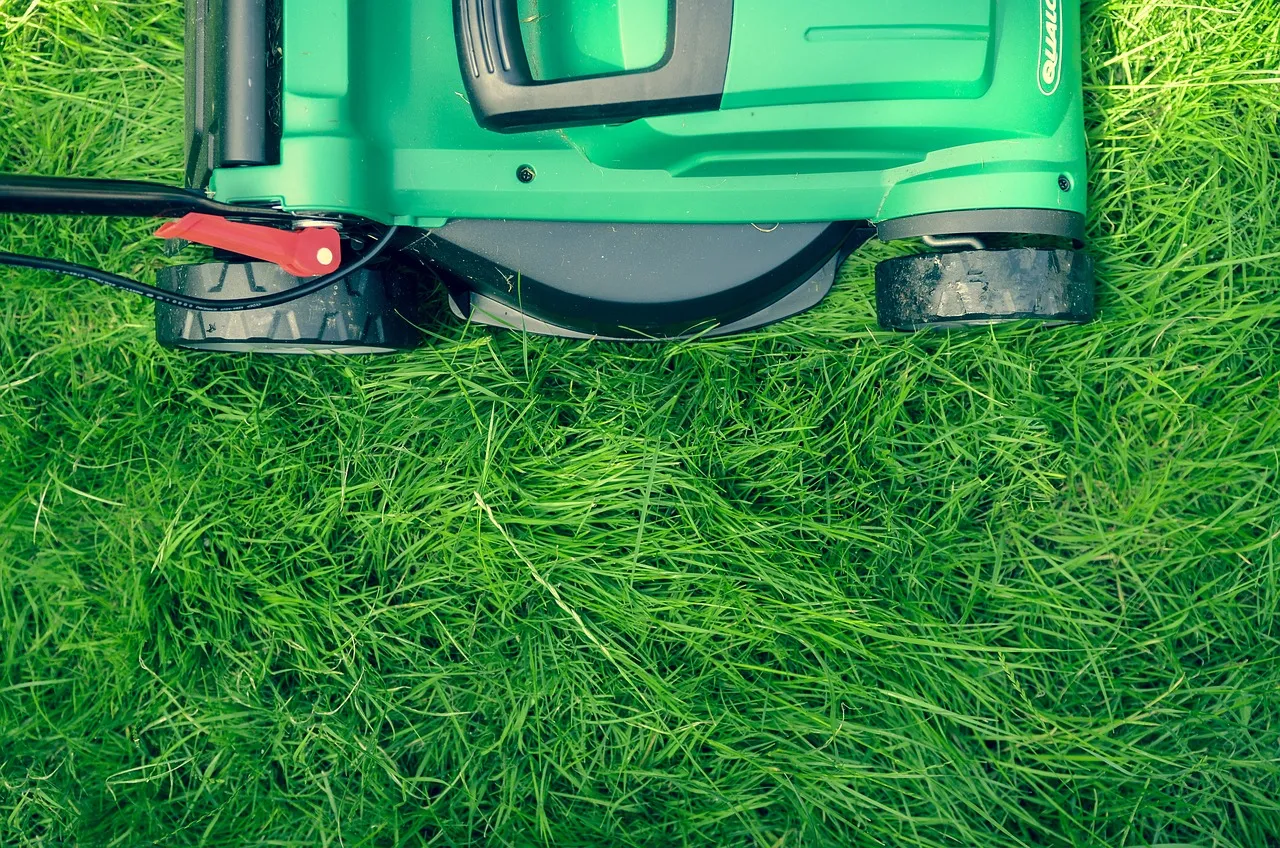
Best Cordless Lawn Mower UK 2026: A Garden Designer’s Honest Guide
Quick Answer For most UK gardens under 500m², a quality cordless mower now matches petrol for cutting performance, and the real decision is which battery platform to buy into. Starting from scratch, my picks are the Greenworks G40LM41K2X for an all-round medium lawn and the EGO LM1702E-SP if you want the best self-propelled performance money […]
Read more -
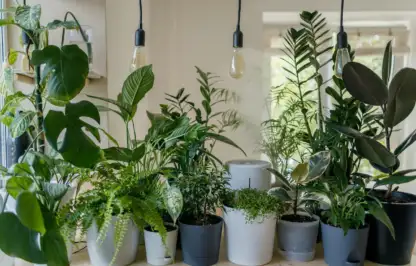
Best Low Maintenance Indoor Plants: 20 Houseplants That Thrive on Neglect
Quick Answer The best low maintenance indoor plants are those that tolerate irregular watering, cope with typical UK home light levels, and bounce back from beginner mistakes. I have spent decades recommending specific plants on BBC Garden Rescue and to my design clients. In this guide I share my top 20 choices, ranked by how […]
Read more -
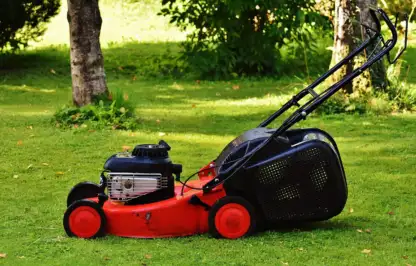
Best Lawn Mower UK 2026: A Garden Designer’s Honest Guide
Quick Answer For most UK gardens, a battery cordless mower is now the practical choice, quiet, powerful enough for weekly cuts, and free of annual servicing. My picks: the Webb WEER33 for small lawns and tight budgets, the EGO LM1702E-SP for the best battery performance on a medium plot, and the Hayter Harrier 41 if […]
Read more -
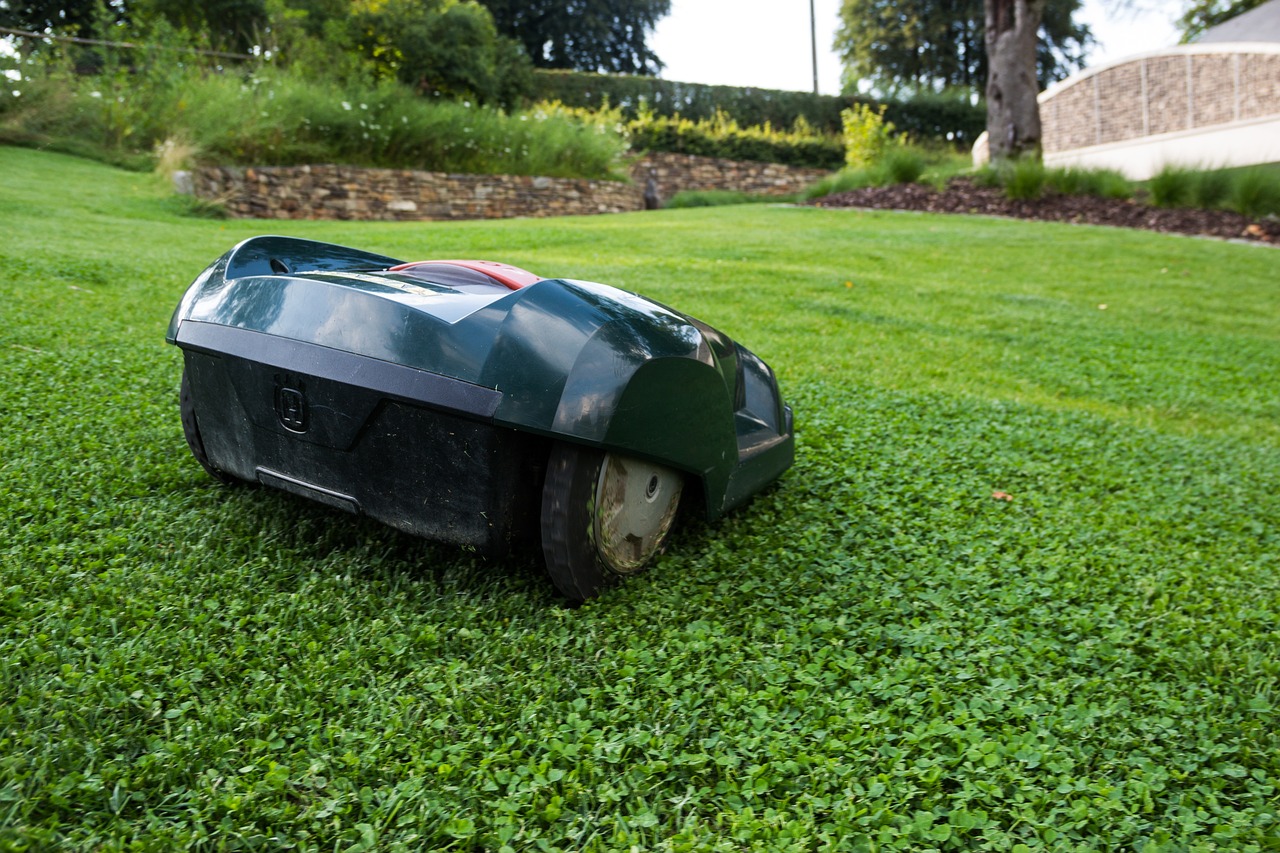
Best Robot Lawn Mower UK 2026: A Garden Designer’s Honest Guide
Quick answer: For a typical UK back garden under 300 square metres on a tight budget, the WORX Landroid Vision Cloud WR303E at around £630 is the robot mower I would fit, because it needs no wire and no antenna. Larger gardens up to 800 square metres do better with the LiDAR-guided Segway Navimow i208, […]
Read more