Winter Gardening
-

When & How to Plant Tulips: A Garden Designer’s UK Guide
🌱 Quick Answer Plant tulip bulbs in November, after the first hard frosts, in a sunny spot with sharp drainage. Set them three times their own depth, roughly 15 to 20cm down, pointy end facing up. Waiting until November rather than jumping in with the daffodils in September is the single biggest factor in avoiding […]
Read more -
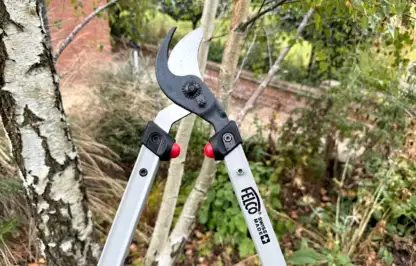
Best Garden Loppers UK 2026: A Garden Designer’s Honest Guide
Quick Answer: For branches between 25mm and 50mm thick, quality bypass loppers are the right tool. The Felco 221-80 is my top pick, since its 80cm handles reach most jobs without a ladder. For thicker or dead wood, a telescopic ratchet anvil lopper such as the Spear & Jackson Razorsharp handles what secateurs cannot. I […]
Read more -
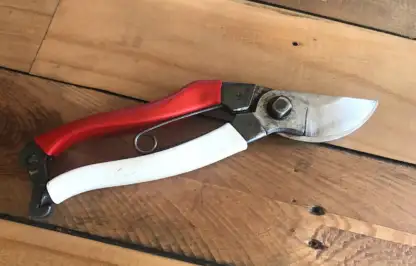
How to Sharpen Secateurs & Garden Tools: Complete UK Guide
Quick Answer Sharpen secateurs and shears with a whetstone at a 20 to 25 degree bevel, working only the outer edge. Spades and hoes take a metal file, mower blades come off and go in a vice, never sharpened in place. Clean and oil every tool afterwards, and do a full service each autumn. Sharp […]
Read more -
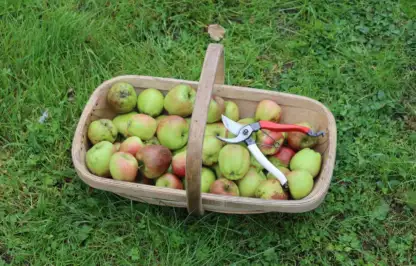
How to prune an apple tree: Ultimate beginners guide
Quick Answer Prune apple trees between November and late February while they are dormant. Remove dead, damaged or crossing wood first, shorten this year’s new growth by a quarter, take out any double leaders, then thin congested growth back to an outward facing bud to keep an open goblet shape. Every garden should have at […]
Read more -

How to Prune Herbaceous Perennials: Complete UK Guide + Chelsea Chop Technique
Quick Answer Prune herbaceous perennials in late winter, from January to February, once plants are fully dormant and before new growth begins. Cut ground cover types back to around 5cm, taller perennials to between 6cm and 12cm, and only lightly tidy evergreen herbaceous plants. Leaving the dried stems in place over autumn and winter feeds […]
Read more -
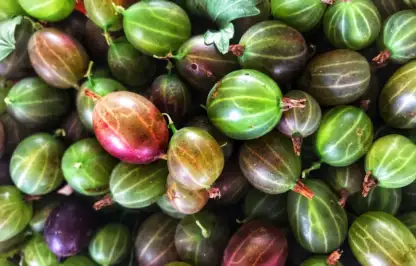
How & when to prune gooseberries: Beginners guide for improved fruiting
Quick Answer Prune gooseberries twice a year for the best crops. In winter, while the bush is dormant, remove dead and crossing wood, take out a third of the oldest stems and shorten the rest by a third to create an open goblet shape. In late June, trim the current season’s side shoots back to […]
Read more -
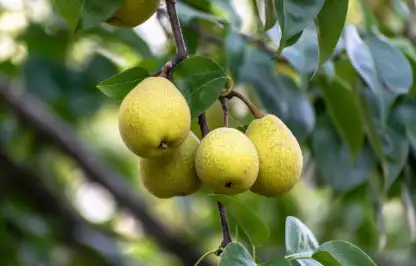
How to prune pear trees: beginner’s pruning guide
Quick Answer Prune pear trees in late winter between January and March when the tree is fully dormant. Remove all dead, diseased and damaged wood first, then cut out any crossing branches. Finally, shorten the remaining laterals by up to one quarter, cutting to an outward-facing bud at 45 degrees. Never remove more than 25% […]
Read more -

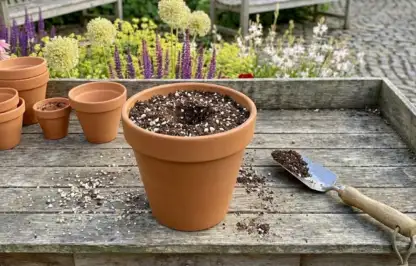
How to Repot Houseplants: The Complete UK Guide
Quick Answer Repot houseplants in spring when roots are growing out of drainage holes, water runs straight through the pot, or growth has noticeably stalled. Move up only one pot size at a time, use the right compost for your plant type, and water thoroughly afterwards. Most houseplants need repotting every two to three years, […]
Read more -
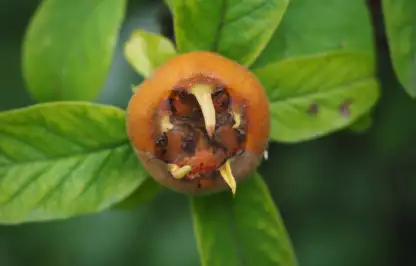
The Mighty Medlar: how to blet & make Medlar Jelly
Quick Answer Medlars are an old fashioned, self-fertile fruit tree that is genuinely easy to grow in even a small UK garden, and one of the very few trees that fruits through winter. The fruit needs to be bletted, meaning left to soften and ripen off the tree for two to three weeks, before it […]
Read more -
How to prune roses: the beginner’s guide to easy pruning
Quick Answer Prune most roses in the UK in February, cutting back to an outward-facing bud at a 45-degree angle. Remove all dead, damaged and diseased stems first, then prune crossing stems and reduce last season’s growth by one third. Always mulch and feed afterwards. Climbing roses are pruned in autumn after flowering; ramblers immediately […]
Read more